Key Takeaways
- A chalazion forms when a meibomian gland gets blocked.
- Recurring chalazions often point to underlying gland dysfunction, blepharitis, skin conditions, or lifestyle habits.
- Daily warm compresses and lid hygiene can help reduce flare-ups.
- In-office options include steroid injections, surgical drainage, and Jett Plasma Pen treatment.
- An optometrist can help identify the root cause and build a plan to manage recurrence.
What a Chalazion Is and Why Recurrence Happens
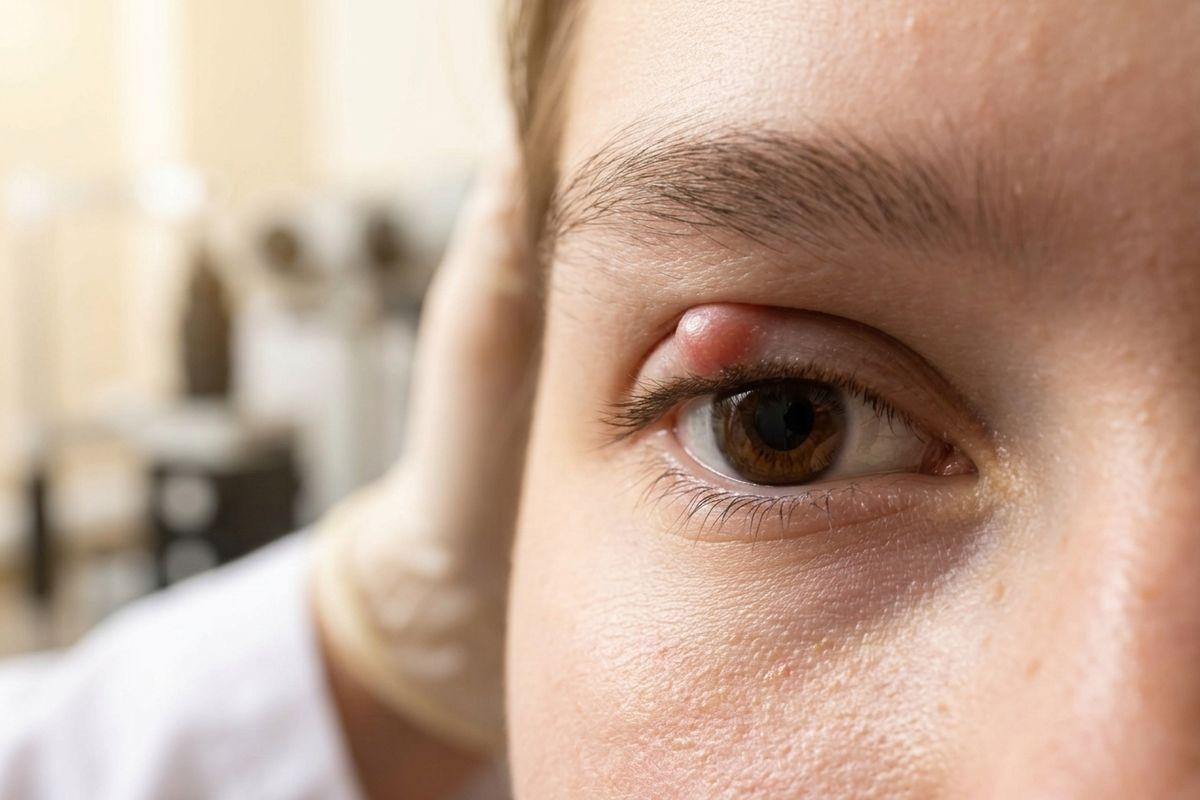
A chalazion forms when one of the tiny meibomian glands in your eyelid gets blocked, causing oil to build up and the surrounding tissue to swell. However, even after the lump itself goes away, the gland itself may still be compromised. If the underlying problem isn’t addressed, the gland may become blocked again.
Many people get stuck in a cycle of recurring chalazia. Understanding what’s driving this cycle is the first step towards lasting eyelid relief. That’s why our team at Stoney Creek Eye Care is here to offer advice—and in-office treatment if you need it.
Common Reasons Your Chalazion Keeps Returning
Meibomian Gland Dysfunction and Blepharitis
Your meibomian glands release a thin layer of oil onto the surface of your eyes. When that oil becomes too thick, it can’t flow freely through the opening in the gland. This can create a blockage, in which case a chalazion may form. Meibomian gland dysfunction is one of the most common reasons why chalazia keep coming back.
Blepharitis, a chronic inflammation along the eyelid margin, can make it harder for your meibomian glands to work as well as they should. If blepharitis isn’t managed, a chalazion may return.
Skin Conditions, Hormones and Lifestyle Factors
Some underlying conditions make people more prone to recurring chalazia. For instance, rosacea and seborrheic dermatitis both affect the stability of the skin and glands around the eyelids, making blockages more likely. Hormonal shifts can also thicken oil secretions, which raises the chance of a gland getting clogged.
Makeup habits matter too. Heavy eye makeup that isn’t fully removed before bed can obstruct the gland openings overnight, contributing to buildup over time.
Signs It’s Time to See an Eye Doctor
Proper home care may help a chalazion resolve on its own, but some situations call for a closer look. You don’t need to wait through repeated flare-ups before reaching out to an optometrist.
Consider booking an appointment if you notice any of the following.
- A lump that persists for several months despite consistent home care
- Swelling that keeps returning in the same spot after it clears
- A lump that changes in size, shape, or appearance unexpectedly
The last point in particular is worth taking especially seriously. Any unexpected changes to a lump or bump in your eye should be evaluated promptly. If you’re unsure whether your symptoms need urgent attention, reviewing the six signs you need emergency eye care can help you decide how quickly to act.
Treatment Options for a Recurrent Chalazion
Home Care and Ongoing Maintenance
A warm compress applied to a closed eyelid for several minutes each day can help soften the oil inside a blocked gland. Once the oil softens, a gentle lid massage along the lash line can encourage better drainage.
In-Office Treatments Including Jett Plasma Pen
When a chalazion doesn’t respond to home care, or when it keeps coming back, in-office treatments can help address the underlying cause.
- Steroid injections can help reduce persistent inflammation inside the gland, allowing the chalazion to drain more effectively.
- Surgical drainage is an option for stubborn or recurring lumps that don’t respond to other approaches.
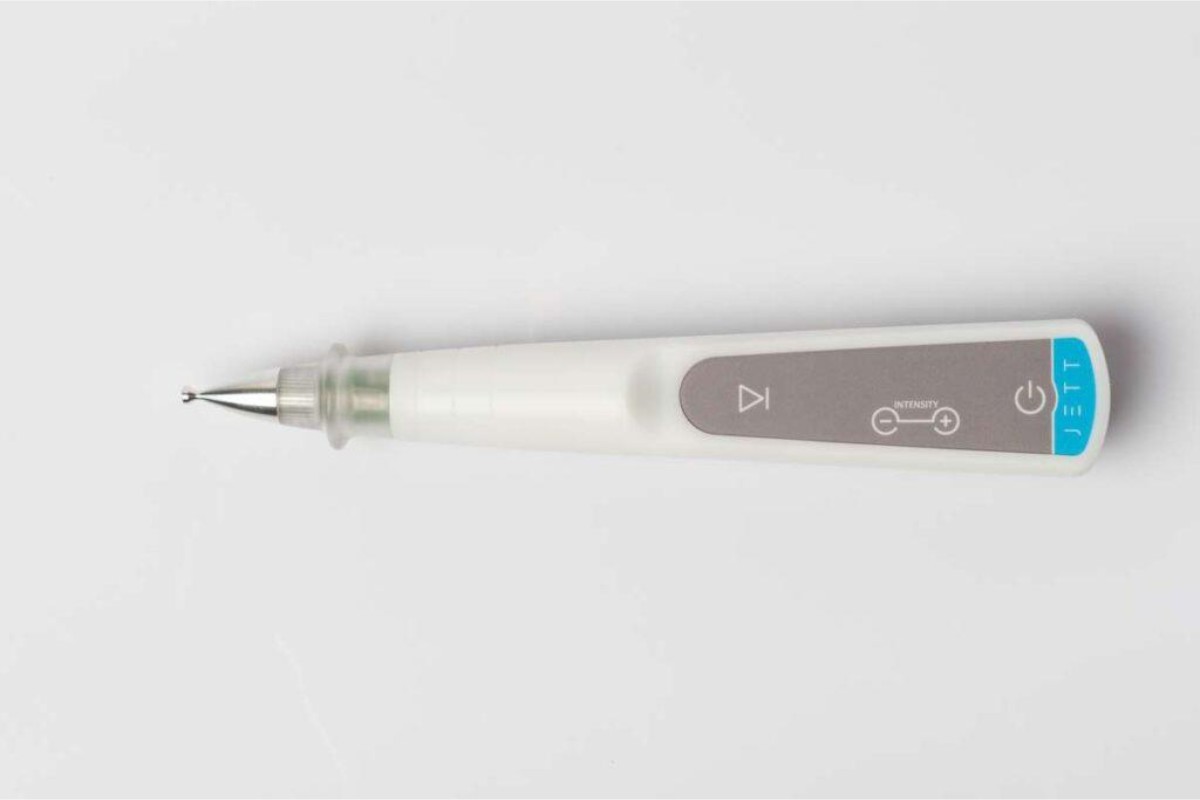
- Jett Plasma Pen treatment uses Stoney Creek Eye Care’s non-ablative approach to deliver a controlled, patented micro-current around the eyelid area, supporting treatment for recurring chalazia and gland-related irritation.
The right approach depends on your history with chalazia, the current state of your eyelid glands, and what an eye doctor finds during an eye exam. You can read more about how the Jett Plasma Pen works for chalazion and MGD treatment to understand what this process might look like in practice.
How to Reduce Future Chalazion Flare-Ups
Daily Habits That Support Lid Health
Consistent lid hygiene is one of the most practical steps you can take. Cleaning the lid margin every day removes debris and bacteria that contribute to blockages of the meibomian glands. Make sure to use a product designed for eyelid cleansing rather than regular soap, since the skin around the eyes is sensitive.
Remove all eye makeup completely before bed, every night. Even a small amount of residue left on or near gland openings can contribute to buildup over time. For guidance on what to avoid and what actually helps, the dos and don’ts of dry eye care covers many of the same eyelid hygiene principles that apply to controlling chalazion flare-ups.
If you have blepharitis or dry eye, managing these conditions consistently can make a real difference in how often chalazia return. Omega-3 fatty acids, found in foods like salmon and flaxseed or taken as a supplement, may support healthier oil gland function over time.
Keep Your Eyes Comfortable
At Stoney Creek Eye Care, we take the time to understand your symptoms and build a plan that fits what’s causing them. If you’re ready to get to the bottom of recurring chalazia, request an appointment with our team today.