You sit in the optometrist’s chair, and retinal imaging comes up as part of your comprehensive eye exam. Questions come to mind: do you really need another test, and what exactly does it involve? Stoney Creek Eye Care uses retinal imaging technology to detect serious eye conditions that might otherwise go unnoticed.
Retinal imaging helps detect serious eye conditions years before you notice any symptoms, making it a valuable tool for protecting your long-term vision health. The scans capture detailed pictures of your retina and can spot early signs of glaucoma, macular degeneration, and diabetic eye disease when treatment works most effectively.
What Is Retinal Imaging and How Does It Work
OCT Imaging Technology Explained
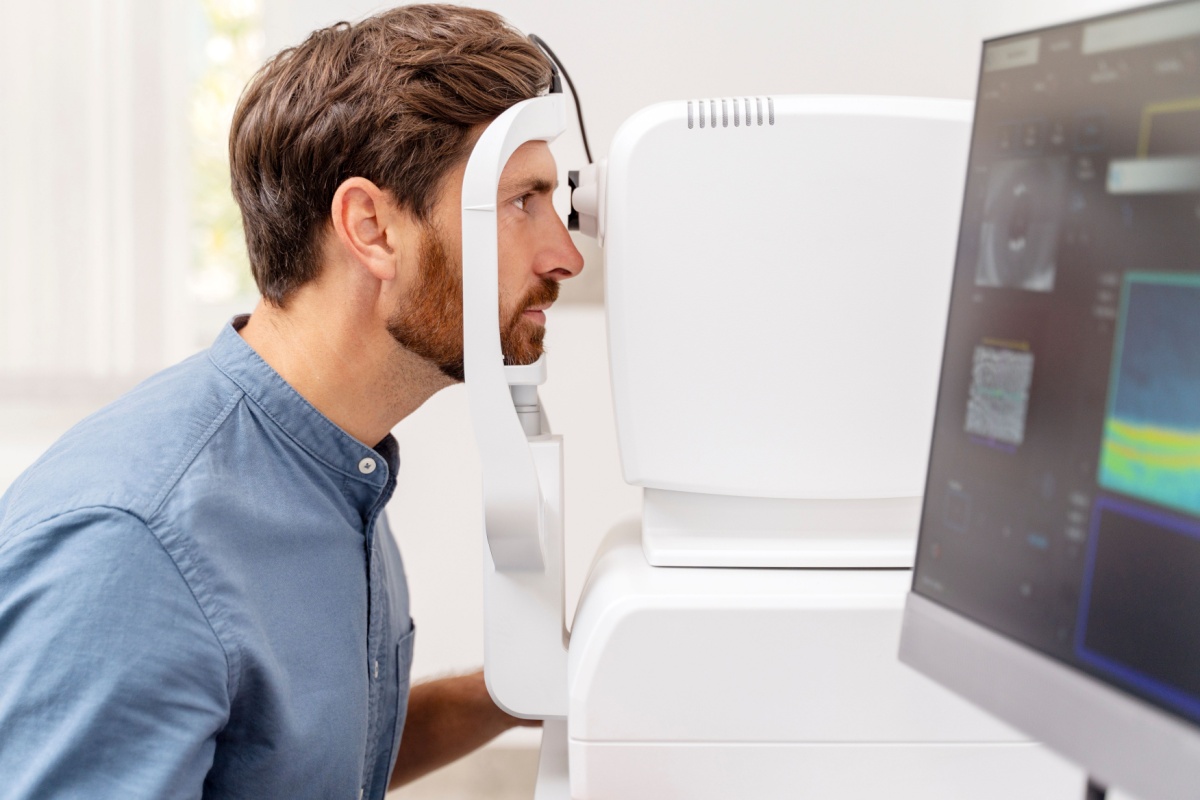
OCT imaging uses light waves to capture cross-sectional pictures of your retina layers. Think of it like taking a detailed photograph that shows the thickness and structure of each retinal layer, similar to how an MRI shows different tissue layers in your body.
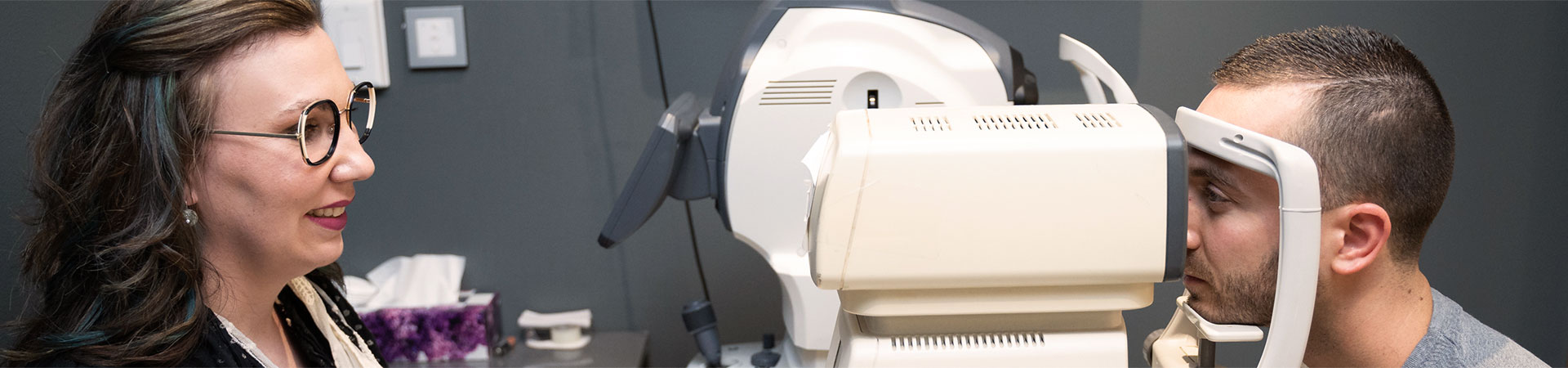
During the scan, you simply look into a machine while it takes pictures of your eye. The process takes about 10 to 15 seconds per eye and feels completely painless. You won’t feel any pressure or discomfort.
Digital Retinal Photography
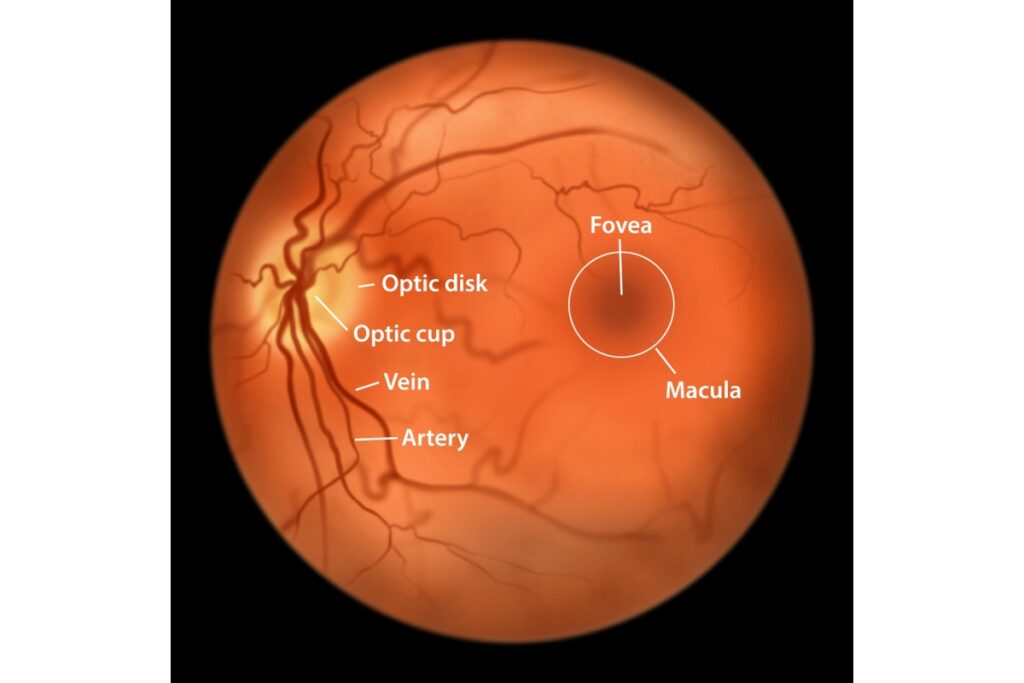
High-resolution retinal cameras capture wide-angle photos of the back of your eye, including your retina, optic nerve, and blood vessels. These detailed images show your eye’s current health status and create a baseline for future comparisons.
Having these photos in your file lets the optometrist track even small changes in your eye health over months and years. Subtle changes that might go unnoticed during a regular exam become clearly visible when comparing images side by side.
Who Benefits Most from Retinal Imaging
While we include retinal imaging for all patients as part of our standard comprehensive exams, certain groups especially benefit from this proactive approach.
Age-Related Recommendations
Adults over 40 benefit most from regular retinal imaging because age-related eye conditions like glaucoma and macular degeneration typically develop during these years. Your risk increases with each decade, making early detection increasingly important.
Children and teens may also need retinal imaging if they have specific risk factors or family history of eye disease. A pediatric eye exam with imaging can catch inherited conditions early when treatment options work most effectively.
Health Conditions That Require Monitoring
- Diabetes and diabetic retinopathy risks
- High blood pressure and its effects on your retina
- Family history of glaucoma or macular degeneration
- Previous eye injuries or surgeries
If you have any of these conditions, retinal imaging becomes even more critical. These health factors affect your eyes in different ways, and regular imaging allows us to catch changes early and adjust treatment as needed.
Digital Retinal Imaging as Standard Care
At Stoney Creek Eye Care, we include digital retinal imaging as part of our standard comprehensive eye exams. Why? Because many serious eye conditions develop silently, without any symptoms. You could have perfect vision and still have early signs of glaucoma, macular degeneration, or diabetic retinopathy.
Capturing baseline images when your eyes are healthy is just as important as monitoring known conditions. These baseline scans allow us to detect even subtle changes over time—changes that might go unnoticed without comparison images from previous visits.
For patients ages 20-64, digital retinal imaging is automatically included in your comprehensive examination at no additional cost. For patients under 20 and over 65, there is a small fee associated with this additional testing, as OHIP does not cover this portion of the examination. However, most private insurance plans provide coverage, and we can typically process this directly for you.
Eye Problems Retinal Imaging Can Detect Early
Glaucoma Detection
OCT imaging can spot optic nerve damage from glaucoma before you notice any vision loss. The scan measures your optic nerve fiber thickness and alerts the optometrist to changes that might indicate glaucoma development.
Catching glaucoma in its early stages means you can start treatment to slow or stop further vision loss. Once glaucoma damages your vision, those changes can’t be reversed, making early detection critical for preserving your sight.
Macular Degeneration and Retinal Disease
The detailed retinal images reveal early signs of age-related macular degeneration, including tiny deposits called drusen and changes in retinal pigmentation. These changes often appear years before you notice any vision problems.
Retinal tears, detachments, or other structural problems show up clearly on both OCT and photographic imaging. Quick detection of these conditions can mean the difference between preserving your vision and experiencing permanent vision loss.
Diabetic Eye Complications
Retinal imaging shows blood vessel changes that indicate diabetic retinopathy, including tiny hemorrhages, abnormal blood vessel growth, and areas where blood flow has decreased. These changes can develop even when your diabetes seems well-controlled.
The scans also detect swelling and fluid buildup in your macula (diabetic macular edema), which can blur your central vision if left untreated. Early detection allows for treatment that can prevent vision loss.
What Your Comprehensive Eye Exam Includes
Beyond Standard Vision Testing
Retinal imaging works alongside other tests in your comprehensive eye exam to give the optometrist a complete picture of your eye health. While vision testing checks how clearly you see, retinal imaging examines the structures inside your eye that make vision possible.
The optometrist combines results from vision testing, eye pressure measurement, retinal imaging, and other assessments to make accurate diagnoses. Each test provides different information that helps create your complete eye health profile.
Why We Don’t Wait for Symptoms
Many optometry practices only recommend retinal imaging when specific risk factors appear. At Stoney Creek Eye Care, we take a different approach. Changes in your optic nerve, unusual blood vessel patterns, or new visual symptoms can indicate problems that have been developing for months or years.
By capturing images at every comprehensive exam, we establish your baseline and track changes before symptoms appear. This means we can start treatment when it’s most effective, not after you’ve already lost vision.
Getting Retinal Imaging at Your Eye Care Appointment
What to Expect During the Process
Retinal imaging is typically done during the pre-testing before you see the optometrist and does not add any significant time to your eye exam. Most scans don’t require pupil dilation, so you can drive normally after your appointment and return to work without light sensitivity issues.
Some detailed scans may work better with dilated pupils, especially if the optometrist needs to examine your peripheral retina. The team can let you know beforehand if dilation might be necessary for your specific situation.
Review and Follow-Up Care
The optometrist reviews your retinal images with you during the same appointment, pointing out important features and explaining what the results mean for your eye health. You’ll see the actual images of your retina and understand exactly what’s happening inside your eyes.
If the scans reveal any concerns, the optometrist can discuss treatment options or recommend follow-up scans to monitor changes. Some conditions require monitoring every few months, while others might need annual imaging to track progression.
Protecting Your Vision with Advanced Technology
Protecting your vision starts with understanding what’s happening inside your eyes before problems affect your daily life. Stoney Creek Eye Care uses retinal imaging technology as part of comprehensive eye exams to give you a complete picture of your eye health. Whether you need routine monitoring or have vision concerns, retinal imaging can help detect problems when treatment works most effectively.
Don’t wait for symptoms to appear. Schedule your comprehensive eye exam today.