
Wondering how long eye strain lasts? Learn about digital eye strain solutions, recovery times, and relief methods with Stoney Creek Eye Care in Hamilton.
How Long Does Eye Strain Last?
Your eyes feel tired and dry after hours of staring at your computer screen. You blink, rub your temples, and wonder when this uncomfortable feeling will finally go away.
Eye strain typically lasts anywhere from a few minutes to several hours after you take a break from intense visual tasks, though symptoms can persist for days if you don’t change your screen habits. At Stoney Creek Eye Care, patients often discover that persistent eye strain stems from underlying vision issues that need professional attention. Understanding what leads to your discomfort and how long it might last helps you take the right steps toward comprehensive eye care.
What Is Eye Strain & Why Does It Happen?
Eye strain happens when your eyes work harder than usual during tasks that require intense focus. Your eye muscles get tired from maintaining the same position for long periods, just like your legs feel sore after standing all day.
Digital screens make the problem worse by changing how often you blink. You normally blink about 15-20 times per minute, but when you’re focused on a screen, that number drops to just 5-7 times. Fewer blinks mean your eyes don’t get the moisture they need.
Poor lighting and awkward screen positioning add extra stress to your visual system. When your screen is too bright, too dim, or positioned at the wrong angle, your eyes strain even more to process what you’re seeing. This is why proper screen break techniques can make such a significant difference.
How Long Will Your Eye Strain Last
Typical Recovery Times
Most people notice their eye strain symptoms start to fade within 10-15 minutes of taking a proper break from screens. If you step outside or look at distant objects, you might feel relief even faster.
Without changing your habits, symptoms can linger for several days. Your eyes need time to recover from the constant stress, especially if you’ve been experiencing strain for weeks or months.
When eye strain becomes a daily occurrence that doesn’t improve with rest, you’re dealing with chronic symptoms that need professional attention. The team at an optometry practice can identify underlying issues that home remedies can’t address.
Factors That Affect Duration
Uncorrected vision problems like astigmatism, farsightedness, or even eye misalignment make your eyes work extra hard during screen time. Even small prescription changes can lead to significant strain that lasts longer than normal.
Dry eye conditions slow down your recovery because your eyes can’t maintain the tear film they need to stay comfortable. You might notice symptoms that persist even after taking breaks from digital devices.
The time you spend on screens directly affects how long your discomfort lasts. Someone who uses a computer for 2 hours will recover faster than someone who spends 10 hours a day looking at multiple screens.

Common Eye Strain Signs to Watch For
You’ll recognize eye strain through several telltale symptoms that develop during or after screen use:
- Tired, burning, or watery eyes
- Blurred vision that comes and goes
- Increased sensitivity to light
- Headaches that start around your temples
- Neck and shoulder tension
- Difficulty focusing when you look up from your screen
If you experience these symptoms regularly, they might indicate underlying dry eye conditions that require professional treatment beyond basic screen hygiene.
Quick Relief Methods That Work
The 20-20-20 Rule
Every 20 minutes, look at something 20 feet away for at least 20 seconds. This simple technique gives your focusing muscles a chance to relax and reset.
Choose a specific object, like a tree outside your window or a picture on the far wall. Holding your focus on that distant point for the full 20 seconds helps more than just glancing around the room.
Taking your breaks near a window or stepping outside provides even better relief. Natural light helps regulate your body’s internal clock and gives your eyes a break from artificial screen lighting.
Screen & Environment Adjustments
- Position your screen about arm’s length away from your eyes, with the top of the monitor at or slightly below eye level; it reduces neck strain and puts your eyes in a more comfortable focusing position.
- Adjust your room lighting to reduce glare on your screen. You want enough ambient light so your screen isn’t the brightest thing in your field of view, but not so much that it creates reflections.
- Make a conscious effort to blink more often throughout the day. Full, deliberate blinks help spread tears across your eye surface and keep your eyes moist. Consider using a moist warm compress if your symptoms persist despite taking regular breaks.
When to Visit Your Eye Doctor
If your eye strain symptoms continue for more than a few days despite taking regular breaks and adjusting your workspace, it’s time to schedule an appointment. Persistent discomfort often points to underlying vision issues that need correction.
Frequent headaches paired with vision changes shouldn’t be ignored. These symptoms can indicate problems with your prescription, eye muscle coordination, or other conditions that require professional evaluation.
Improve Your Sight with Stoney Creek Eye Care
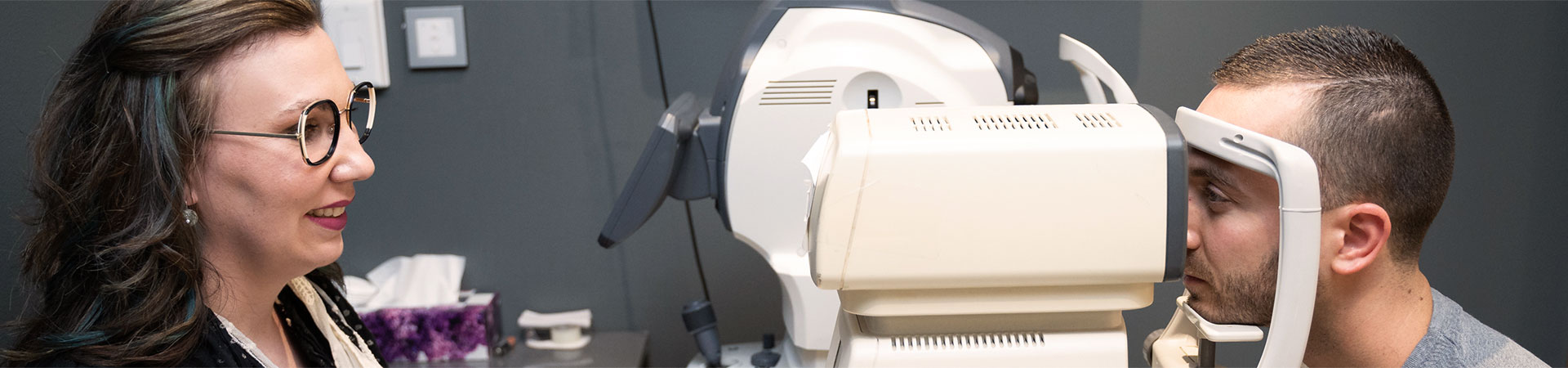
Our optometrists at Stoney Creek Eye Care use diagnostic technologies, such as OCT imaging, to thoroughly evaluate your eye health and visual system. A comprehensive eye exam can identify dry eye conditions, prescription changes, or other factors contributing to your ongoing discomfort.
Contact us today to book your appointment and get the relief you need.