Key Takeaways
- Blepharitis is an inflammation along the edges of your eyelids, and it can affect people at any age.
- Bacteria, blocked oil glands, skin conditions, and tiny lash mites can all play a part.
- Watch for red, itchy lids, crusting near your lashes, and a burning or gritty feeling.
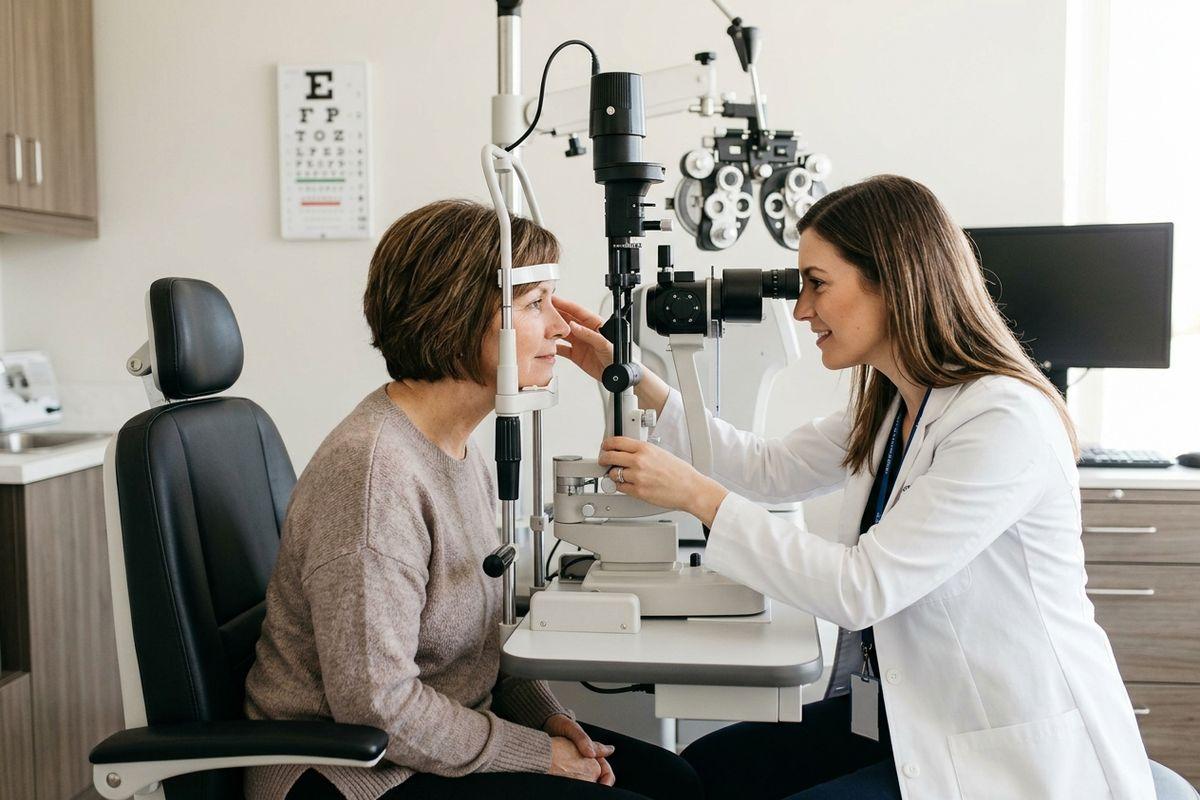
- An eye exam with a detailed slit lamp helps your team look closely at your eyelid and tear health.
- Warm compresses, gentle cleaning, and regular eye exams help you manage symptoms.
Blepharitis
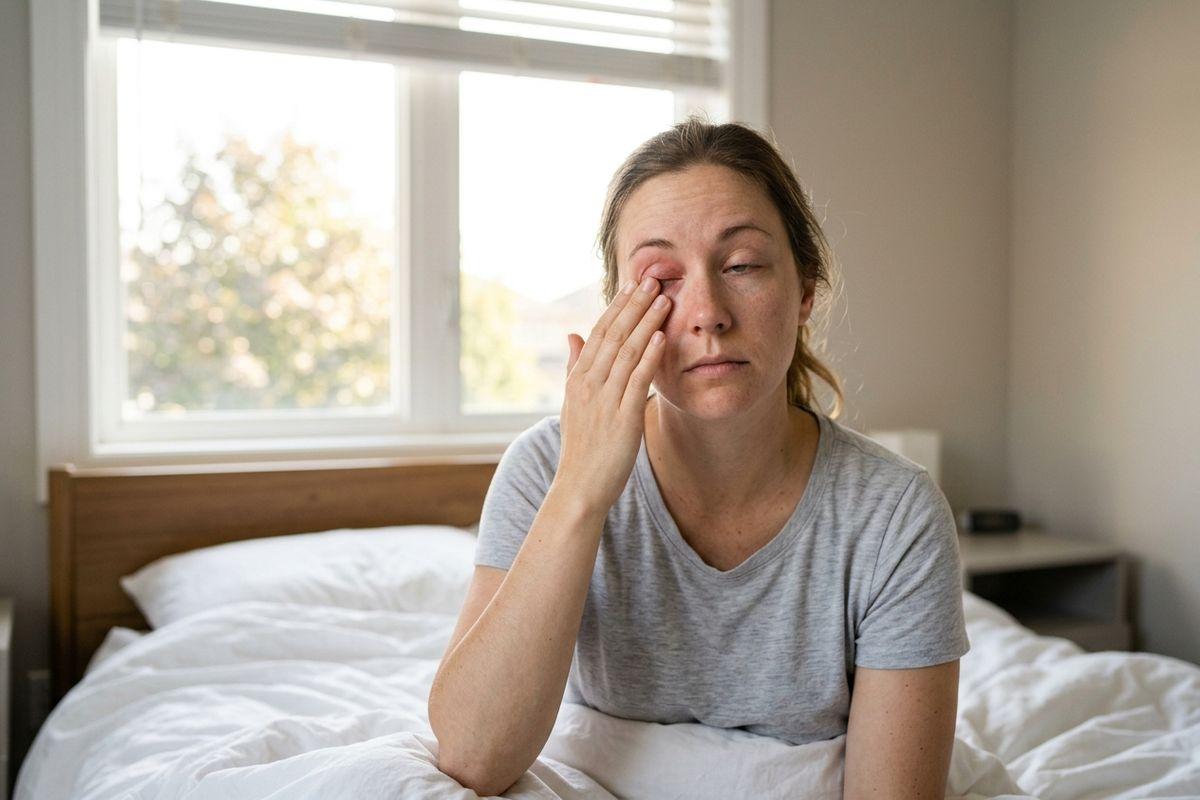
Waking up with crusty, itchy eyelids can throw off your whole morning. However, that gritty, burning feeling along your lash line is common, and it often points to a condition called blepharitis.
Blepharitis happens when the edges of your eyelids become inflamed, often from a mix of bacteria, blocked oil glands, skin conditions, and tiny lash mites. A comprehensive eye exam with our team at Stoney Creek Eye Care can help pinpoint what’s going on, so you can manage the discomfort.
What Blepharitis Is & How It Affects Your Eyes
Your eyelids do a lot of quiet work every day. When they become inflamed, the resulting condition is called blepharitis. It shows up right along the lash line, where oil glands and tiny hair follicles sit close together.
Blepharitis can affect children, adults, and seniors alike. It doesn’t spread from person to person, but it can stick around and flare up again. Your eyes might feel gritty when you wake up, your eyelids can look red by mid-afternoon, and activities like reading or screen time may quickly become uncomfortable.
Common Causes Behind Blepharitis
Blepharitis rarely comes from a single source. A few different factors tend to overlap, and understanding them can help you spot what’s happening with your own eyes.
Bacteria & Skin Buildup
Your eyelids carry natural bacteria. When this bacteria collects at the lash line, it can mix with oil and debris that leave flakes and a filmy feeling on your lashes. Often, this irritates your skin.
Blocked Oil Glands
Small glands along your eyelids release oil that keeps your tears from drying too quickly. When those glands clog, the oil can’t flow the way it should, and this can cause blepharitis.
Blocked oil glands are also often linked to dry eye, so your eyes may sting and water at the same time.
Skin Conditions & Mites
Rosacea and dandruff can both develop around the eyelids, causing irritation.
Tiny lash mites can also contribute. These microscopic visitors live near the follicles. When their numbers climb, they can leave your lids feeling itchy and inflamed.
Signs & Symptoms to Watch For
The symptoms of blepharitis are often worse in the morning. You might notice one or several of the following:
- Red, itchy, or swollen eyelids
- Crusting or flaking near the lashes
- Burning, grittiness, or watery eyes
If you experience these symptoms often, we recommend that you have your eyes looked at. Early attention helps you stay ahead of the discomfort.
How Our Team Diagnoses & Treats Blepharitis
Getting answers starts with a close look at your eyelids and tear film. From there, our team can design a plan that fits how your eyes feel day-to-day.
Eye Exam & OCT Imaging
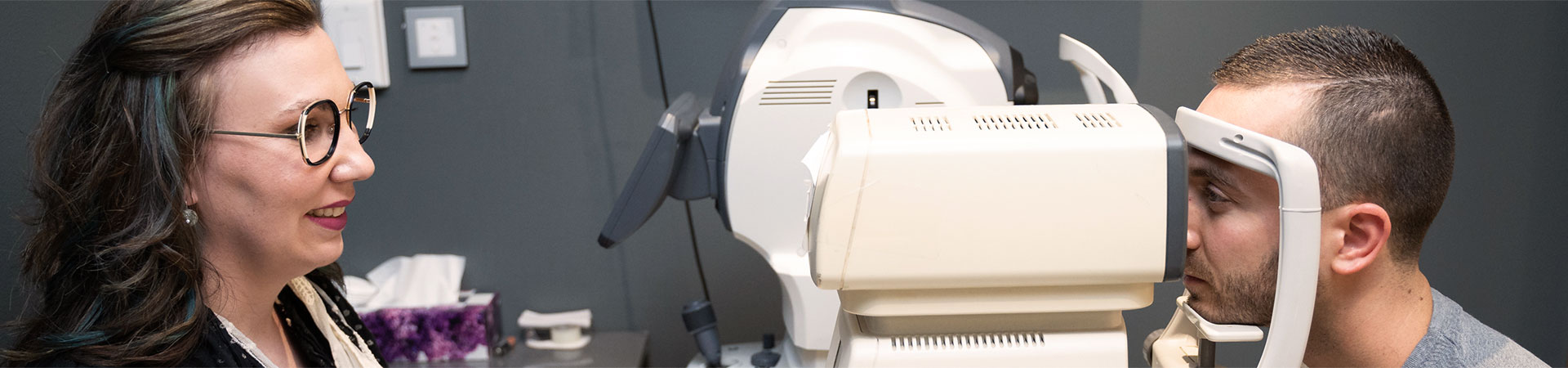
During a comprehensive eye exam, your optometrist examines your lid margins, lashes, and oil glands. OCT imaging for eyes adds a detailed, layered view, so that your care team can see how your tear film and surrounding tissue are holding up.
Treatment & Dry Eye Support
Most care begins with a simple lid hygiene routine that you can perform at home. Warm compresses loosen clogged oil, and gentle cleaning clears the buildup along your lashes.
Because blepharitis and dry eye often occur together, dry eye treatment may also be part of the plan. Ongoing care with our team in Stoney Creek means that you can check in when your symptoms flare up, then adjust your routine as needed.
Keep Your Eyes Comfortable
At Stoney Creek Eye Care, we’re ready to help you get to the bottom of eyelid irritation. Book your eye exam today and take the next comfortable step for your eyes.